From Strip Mining to Recycled Products
Innovative products for the home - born of a passion for the environment. This was the founding philosophy of the recycled-glass block.
The Distressing Sight
It was a distressing sight to watch the rugged Jemez Mountains of New Mexico being whittled down and permanently disfigured by strip mining. Not only were the mountains being maimed, but the heavy silt runoff created serious problems for the region's precious rivers and fresh water. The ugly aftermath was a jarring contrast to the breathtaking, almost spiritual landscapes that inspired such great literary and visual artists as D.H. Lawrence and Georgia O'Keeffe.
These mountains have the unfortunate blessing of being a treasure trove of pumice. This gritty volcanic substance has unique abrasive qualities that make it the prime ingredient in a variety of cleaning agents. The demand is constant. And so, it seemed, was the strip mining.
The Solution Becomes Clear
The founders understood that the best solution would be to find a superior alternative to pumice products - take the pressure off demand, and the mining slows. But the concern went beyond the New Mexico mountains. The environment was their passion, and this problem presented an opportunity for recycled products on a massive scale.
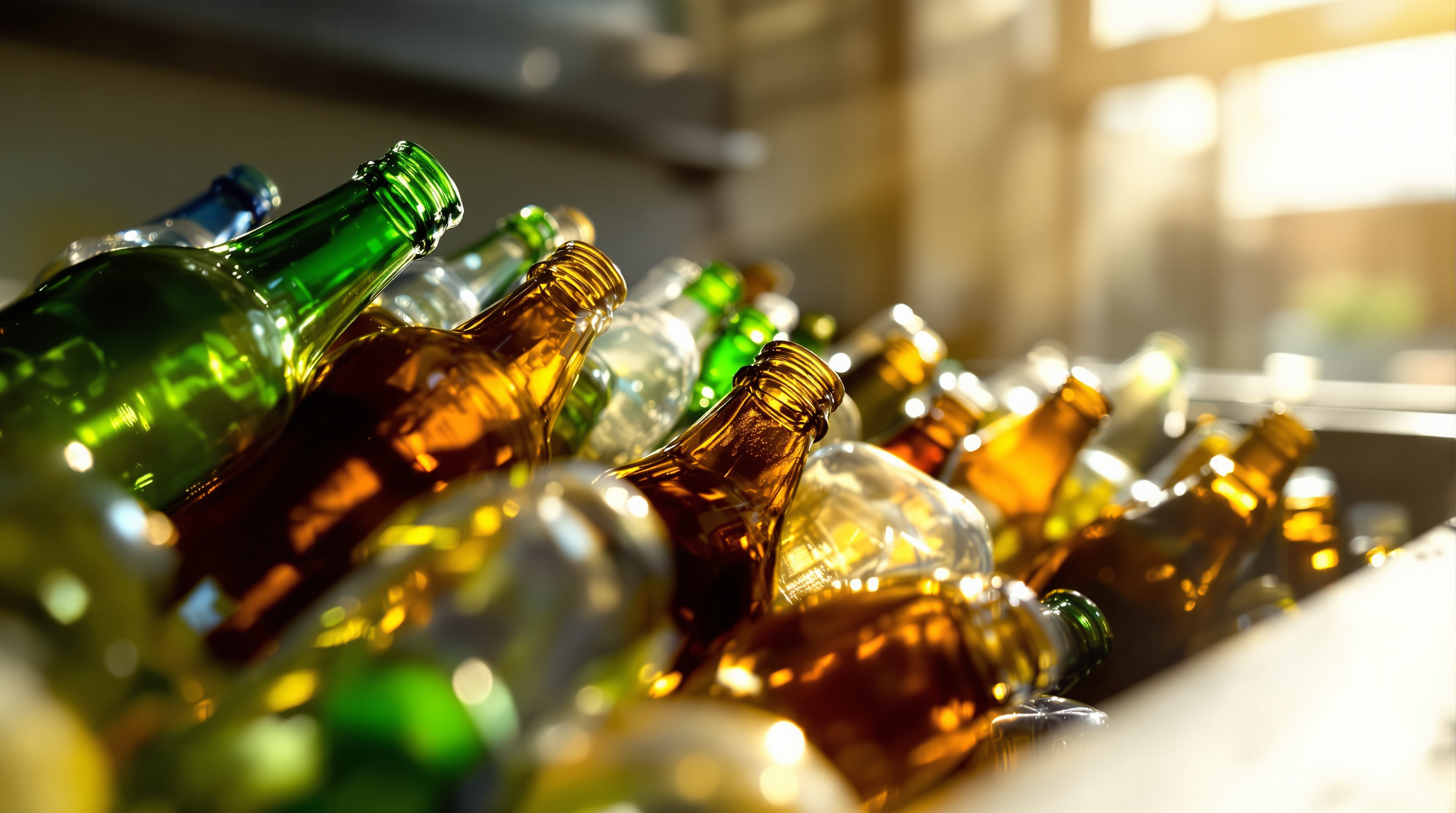
Working with an artist-scientist in Santa Fe, they found the answer: a way for recycled glass bottles and jars to be ground into an incredibly fine, powdery substance, then molded into white foamed glass - a material that begins feeling like flour and emerges with all the abrasive qualities of pumice. The resulting products are non-toxic and chemical-free, safe for kids, pets and the environment. Best of all, they are made almost entirely from recycled glass. (Curious how the process works? See our foamed glass explainer.)
Recycling: The Ultimate Good Business
By applying recycled glass to existing foamed-glass technology, the team created a series of household cleaning and sanding products that worked better than the old pumice versions - cleaner, easier to use, faster at the chore. Very quickly, the blocks began appearing on the shelves of retail outlets across the country.
At the operation's height it consumed more than 1,300 tons of recycled glass each year - the equivalent of roughly 5.3 million eight-ounce glass bottles. That is a mountain of glass that would otherwise have been filling America's already crammed landfills. And every ton of recycled product also meant one less ton of pumice stripped from the sun-baked mountains of New Mexico.
The EPA's glass waste figures put recycling in perspective: in 2018, the United States recycled 3.1 million tons of glass containers, a 31.3% container recycling rate. Landfills received about 7.6 million tons of glass in 2018. These are national waste figures, rather than a measure of any particular product.
EPA announced its National Recycling Goal in November 2020: a U.S. recycling rate of 50% by 2030, alongside a National Recycling Strategy. That is a national goal, not a glass-only target. The figures and their different meanings are explained on our glass recycling facts page.
The Larger Lesson
The story holds up as a textbook case of what the EPA's sustainable materials management framework calls designing the waste stream back into productive use. Glass is one of the few materials that can be recycled endlessly without degrading - see the Glass Packaging Institute's glass recycling facts - yet recycling only works when there is a market for the recovered material. Foamed-glass blocks created that market and beat the virgin alternative on performance, not just principle. For the broader history of the environmental movement that made such thinking mainstream, read our history of Earth Day.